
From the outside the pump station might appear as a basic construction, but two projects are identical. In some cases, wastewater might have to be moved upwards in order to accommodate a building project. Another place might have to maintain pressure for commercial properties that has changing elevations. Based on whether the project is industrial, municipal, or private, each comes with their own set of specifications, rules, as well as long-term operational expectations.
It’s for this reason that pumping systems can’t be built in a “one-size-fits all” mentality. The station that succeeds requires a thorough understanding of the actual conditions of the site. This includes flows, requirements for ownership, as well as the future of any property it serves. Romtec Utilities works from that perspective, designing each package pumping system to fit the exact needs of the project rather than forcing the project to fit a generic system.
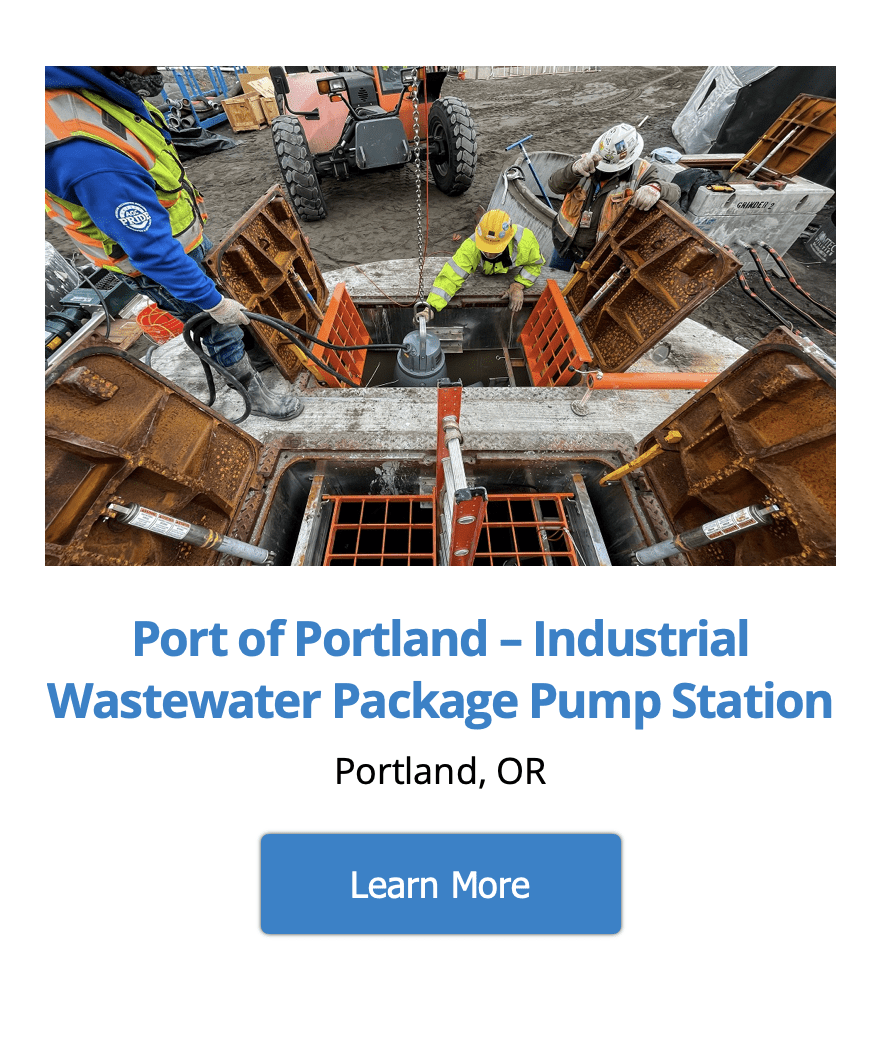
The design of a good pumping system is much more than just moving water
Pumping stations are constructed to transfer waste or water in areas where gravity is not able to. But constructing a system that does what it is supposed to do is not enough. It should also be simple to maintain and meet all local and state regulations. It has to be able to perform not just in the abstract but also on a regular basis for those who are in charge of using it.
This covers everything from structural design and wet well sizing to controls for electrical systems, communication equipment and access for maintenance crews. If any of these elements is not planned properly it could cause operational headaches for years to become. This is one reason that owners and engineers are so keen to work with the best designers of lift stations. When you’re trying balance budget, site constraints as well as hydraulic performance and long-term durability the experience of your team is essential.
Romtec Utilities combines these disciplines all under one roof. Instead of having the customer to work with a variety of suppliers The company takes care of all electrical, structural, mechanical, and communication parts in a seamless system. The single-source model can reduce time and confusion in the process of procuring and speed up the installation process.
If properly designed When designed properly, package pumping systems are able to simplify things.
A packaged pumping system simplifies infrastructure projects since it integrates key components into a single, coordinated solution. It is the quality of engineering which will determine the value of the system can be. Unmatched systems can cause issues with performance, the use of excessive expense of equipment and long-term issues with maintenance.
Romtec Utilities treats each package as a customized solution not merely a catalog product. This includes selecting the correct valves, pumps, controls, piping, and enclosure options based on actual requirements of the site. Also, it is important to think about how the system will be monitored, the way the users will use it, and how it can be efficiently maintained throughout its lifespan. In the case of utility infrastructure, careful coordination in the initial stages of design can often avoid bigger issues later.
Booster pumps solve a completely different kind of infrastructure issue
Not all projects are about water treatment. In many construction projects, maintaining the water pressure is equally vital as moving the sewage. In this instance, booster pump stations are critical. These pumps keep water flowing efficiently in distribution systems even when there are pressure issues due to changes in elevation, lengthy pipe runs or high demand.
Booster systems require a distinct design approach to engineering, since they may include SCADA integration and variable frequency drives (VFDs) along with telemetry as well as architectural considerations based on the location. Romtec Utilities creates these stations with a specific mindset which is used in the design of wastewater systems. This ensures the end result will be functional as well as operationally.
A more efficient plan will lead to better long-term results
One of the most useful elements of the Romtec Utilities process is the early design assistance it provides customers. The preliminary design and engineering support allows team members to get a better idea of the size, scope, and cost of an installation before they get too far into the procurement or construction. This can be a huge benefit for consultants, public agencies as well as developers striving to ensure that projects stay within budget and on time.
The planning process is crucial to the success whether it’s a water lift station, a pumping package or one of the many custom booster pump stations. A reputable design company can provide more than just supply equipment. They assist in the design of a solution that is reliable, works with the space, supports the owner’s goals and is able to stand the test of time.
When it comes to utility work, typically the most effective systems are ones that aren’t noticed because they perform. This level of reliability isn’t something that simply occurs. It’s a result of carefully designed engineering, well-coordinated, and an knowledge of how to adapt each system according to what is needed by the project.